
Traditional Braces: Time-Tested Excellence for Beautiful Smiles

Traditional braces remain the gold standard in orthodontic treatment—and for good reason. They’re highly effective for correcting everything from minor crowding to complex bite issues, delivering predictable, beautiful results for patients of all ages.
At Almond Orthodontics, we combine time-tested orthodontic principles with modern technology and materials to make your braces experience as comfortable and efficient as possible. Today’s braces are smaller, more comfortable, and work faster than ever before, while still providing the comprehensive correction that only traditional orthodontics can deliver.
How Traditional Braces Work
The Science Behind Your Smile
- Brackets are bonded to each tooth and serve as anchors for the orthodontic wire. We use high-quality, low-profile brackets designed for comfort and effectiveness.
- Archwires thread through the brackets and provide the gentle, continuous pressure that moves teeth. We'll adjust your wire at regular appointments to keep your treatment progressing smoothly.
- Elastic bands (or ligatures) hold the wire to the brackets. You can choose from clear bands for a subtle look or colorful bands to express your personality.
- Other components like rubber bands, springs, or additional appliances may be used depending on your specific treatment needs.
Over time—typically 12 to 24 months—your teeth gradually shift into their proper positions. The result? A beautifully aligned smile that improves both appearance and oral health.
Benefits of Traditional Braces
Why Braces Might Be Right for You
Highly Effective for Complex Cases
Braces can address virtually any orthodontic issue, including severe crowding, significant bite problems, and tooth rotation.
Predictable, Proven Results
Decades of clinical research and our 16+ years of experience ensure reliable outcomes.
Comprehensive Treatment
Braces correct not just tooth alignment but also bite issues that affect chewing, speech, and jaw health.
Fixed Appliance
No need to remember to wear anything—your braces work 24/7 to create your perfect smile.
Cost-Effective Option
Traditional braces often represent the most affordable comprehensive orthodontic treatment.
Suitable for All Ages
From pre-teens to adults, braces can effectively treat patients at any stage of life .
What to Expect During Treatment
Your Braces Journey with Almond Orthodontics
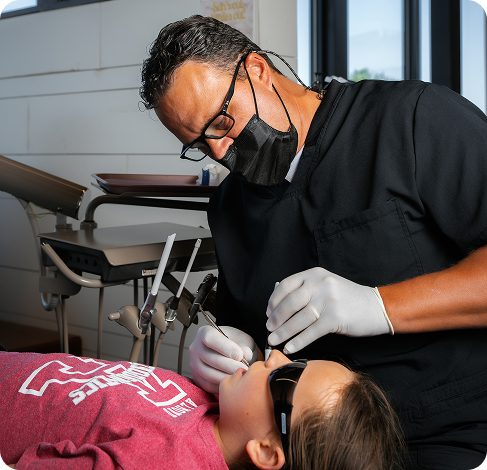
We'll carefully place your brackets and thread the initial wire. This appointment typically takes 1-2 hours. We'll ensure you're comfortable and understand how to care for your new braces.
You'll visit us every 4-8 weeks for adjustments. We'll change your wire, check your progress, and make any necessary modifications. These appointments usually take 20-30 minutes.
Most patients complete treatment in 12-24 months, though your specific timeline will depend on your individual needs. We'll provide an estimated timeline during your consultation.
Your teeth and mouth may feel tender for a few days after getting braces and after adjustments. This is completely normal and easily managed with over-the-counter pain relievers if needed.
We'll teach you proper brushing and flossing techniques and provide all the tools you need. Regular cleaning is essential for healthy teeth and gums throughout treatment.
Types of Braces We Offer
Metal Braces
High-quality stainless steel brackets and wires that are smaller and more comfortable than ever before. The most cost-effective and versatile option.
Clear/Ceramic Braces
Tooth-colored brackets that blend with your natural teeth for a more subtle appearance. Popular with adult patients and image-conscious teens.
Caring for Your Braces
Keeping Your Smile Healthy During Treatment
Proper care ensures the best possible results and helps prevent delays in treatment:
- Brushing - Brush after every meal and before bed, taking extra time around brackets and wires.
- Flossing - Use floss threaders or orthodontic flossers to clean between teeth daily.
- Foods to Avoid - Skip sticky, hard, and chewy foods that could damage brackets or wires. We'll provide a complete list.
- Protecting Your Braces - Wear a mouthguard during sports and contact activities.
- Regular Visits - Keep all scheduled appointments to stay on track with your treatment plan.
Life with Braces
What Our Patients Want You to Know
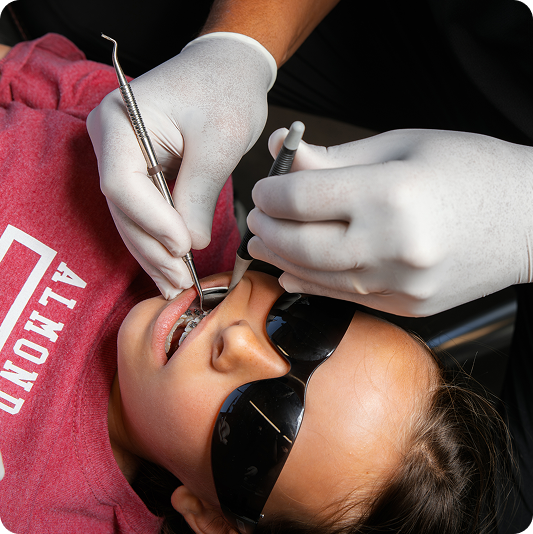
The adjustment period is usually just a few days. Most patients quickly adapt and find that braces become a natural part of their routine. You’ll still be able to play sports, play instruments, and participate in all your normal activities—we’ll just provide some guidance on protecting your braces.
Many of our patients, especially teens, enjoy the opportunity to personalize their look with colored elastic bands. It’s a fun way to express yourself and show your school spirit!
Investment in Your Smile
Traditional braces represent an excellent value for comprehensive orthodontic correction. We offer:
- Transparent pricing with no hidden fees
- Flexible payment plans designed for any budget
- Insurance coordination to maximize your benefits
- Multiple financing options
Frequently Asked Questions
What is Orthodontics?
Who is an Orthodontist?
What is the best age to visit an Orthodontist?
The American Association of Orthodontists recommends that children first visit an orthodontist around the age of 7 for a screening to evaluate jaw growth and eruption of permanent teeth. Often this appointment confirms that your child is growing favorably, and can be monitored until they reach their teenage years. Other times, early orthodontic treatment may be recommended by Dr. John and Dr. Brian. Early treatment may help your child avoid oral surgery and more serious orthodontic complications in the future by addressing problems at a young age.
Teenagers and adults can also benefit from orthodontics and are welcome for a consultation at any age. Most teenagers are ready for braces around the age of 11-13. This coincides with the eruption of permanent teeth and your child’s growth spurt. If you are unsure if your child is ready for braces, but have concerns, our free consultation is available to answer any questions you have and map out the best time to address your child’s orthodontic needs.
Adults can schedule a consultation to discuss esthetic concerns or functional concerns that they or their dentist may have. Orthodontics is often used prior to major dental work like crowns, veneers, implants, and bridges to get the teeth in their intended position prior to these long-term restorations. Dr. John and Dr. Brian our teamwork with your dentist and other specialists to provide great results to you as our patient.
If I get braces, how long do I have to wear them?
Do braces hurt?
How can I take care of my teeth if I’m wearing braces?
Brush your teeth at least three times every day – after every meal – and floss at least once every day.
If necessary, we can provide a prescription for a special fluoride. Make sure that you use toothpaste that contains fluoride because fluoride helps to prevent cavities and tooth decay!
Try to avoid foods with a lot of sugar during your orthodontic treatment. Sugar increases the amount of bacteria in your mouth, which can cause more plaque, tooth decay, and cavities.
During your treatment, avoid sticky and chewy foods (sugary chewing gum, caramel, gummy bears), hard foods (nuts, ice cubes, hard candy), or any foods that could possible get stuck in your braces, such as corn on the cob, ribs, taffy, soft bagels, etc. Keep your braces and wires clean and clear of food and debris. Teeth move fastest with healthy bones and gums!
If I have braces, do I still need dental check-ups every six months?
Will my braces interfere with my school activities like sports, playing an instrument, or singing?

Ready to Start Your Journey?
Traditional braces have been creating beautiful, healthy smiles for decades—and our 16+ years of experience means you’re in expert hands. Schedule your complimentary consultation today to learn how braces can transform your smile.