
Early Treatment: Setting the Foundation for Lifelong Healthy Smiles
Timely intervention during childhood can prevent more serious problems later,
making future treatment shorter and simpler—or even unnecessary.
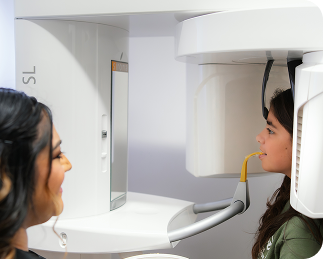
The American Association of Orthodontists recommends that children have their first orthodontic evaluation by age 7. While most children at this age won’t need immediate treatment, this early evaluation allows us to identify potential issues and determine the optimal time for intervention if needed.
With over 16 years of experience treating children and families in Kennewick, we take a conservative, thoughtful approach to early treatment. We recommend it only when the benefits significantly outweigh simply monitoring development. Our goal is always to give your child the healthiest, most beautiful smile possible—with the least intervention necessary.
What Is Early Treatment?
Understanding Phase 1 Orthodontics
Early treatment, sometimes called Phase 1 treatment or interceptive orthodontics, involves orthodontic intervention while a child still has a mix of baby teeth and permanent teeth (typically ages 7-11).
This isn’t about achieving a perfect smile right away—it’s about creating favorable conditions for healthy dental development. Early treatment can guide jaw growth, create space for incoming permanent teeth, and correct habits or issues that could become more serious if left untreated.

When Is Early Treatment Beneficial?
Conditions We Can Address
We may recommend early treatment for children experiencing:
Jaw Growth Issues
- Significant overbite or underbite
- Crossbite affecting jaw development
- Narrow upper jaw needing expansion
Crowding and Spacing
- Severe crowding that may cause permanent teeth to become blocked
- Significant spacing issues
Functional Problems
- Difficulty chewing or biting
- Speech difficulties related to tooth position
- Airway or breathing concerns
Habits and Risk Factors
- Thumb sucking or tongue thrusting affecting tooth development
- Severely protruding front teeth at high risk of injury
- Early or late loss of baby teeth creating problems
Important Note: Most children do NOT need early treatment. If we recommend it for your child, we’ll explain exactly what it will accomplish and why it’s beneficial for their specific situation.
Benefits of Early Treatment
Why Timing Matters
When early intervention is appropriate, it can:
Guide jaw growth while bones are still developing, avoiding more invasive treatment later
Create space for permanent teeth to erupt properly, potentially avoiding extractions
Correct harmful habits before they cause permanent changes to teeth or jaws
Reduce injury risk by addressing severely protruding front teeth
Improve function including chewing, breathing, and speech
Shorten future treatment by addressing major issues while they're easier to correct
Build confidence during crucial developmental years
Avoid surgical intervention in some cases by guiding growth at the optimal time
What to Expect
The Early Treatment Process

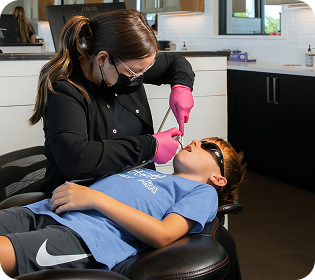
We'll conduct a thorough examination to assess your child's dental development, jaw growth, and bite. If we identify any concerns, we'll discuss whether to treat now or simply monitor development.
If early treatment is recommended, we'll create a customized plan and explain exactly what we hope to accomplish, how long it will take, and what to expect.
Early treatment typically lasts 9-18 months and may involve:
- Partial braces on certain teeth
- Palatal expanders to widen the upper jaw
- Space maintainers to hold space for permanent teeth
- Habit appliances to stop thumb sucking or tongue thrusting
After Phase 1, we'll remove the appliances and allow remaining permanent teeth to erupt naturally. We'll monitor your child regularly during this phase.
When all permanent teeth have erupted (typically age 11-13), we'll evaluate whether Phase 2 treatment with full braces or Invisalign is needed to finalize tooth positions. Because of the early intervention, Phase 2 is often shorter and simpler.
Our Child-FriendlyApproach
Making Orthodontics Positive for Kids
We understand that children need extra patience, clear explanations, and positive reinforcement. Our team excels at making young patients feel comfortable and excited about their orthodontic care. We:
- Explain procedures in age-appropriate language
- Move at a comfortable pace for each child
- Celebrate progress and achievements
- Create a fun, welcoming environment
- Work closely with parents to ensure home care success
- Offer bilingual communication for Spanish-speaking families
Special Needs Expertise
Compassionate Care for Every Child
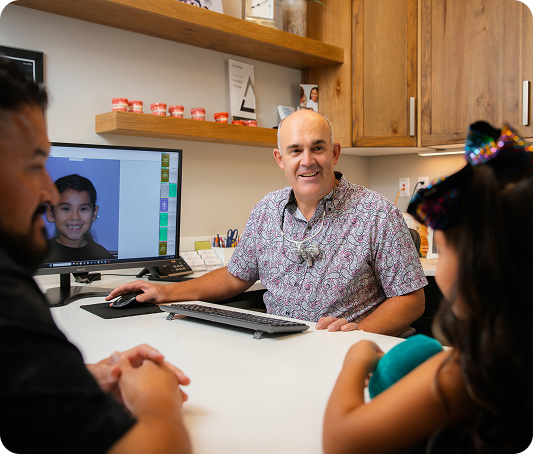
We have extensive experience providing early orthodontic treatment for children with special needs. We take extra time, use adapted techniques, and work closely with families to ensure a positive, successful experience. Every child deserves quality orthodontic care, and we’re committed to providing it with patience and understanding.
Not All Children
Need Early Treatment
When Monitoring Is the Right Choice
In many cases, the best “treatment” is simply monitoring development and waiting for the optimal time to begin orthodontics. We’ll never recommend treatment that isn’t truly beneficial for your child.
If we recommend monitoring instead of immediate treatment, we’ll:
- Schedule periodic growth and development check-ups
- Watch for emerging issues
- Let you know the ideal time to begin treatment
- Answer any questions as they arise
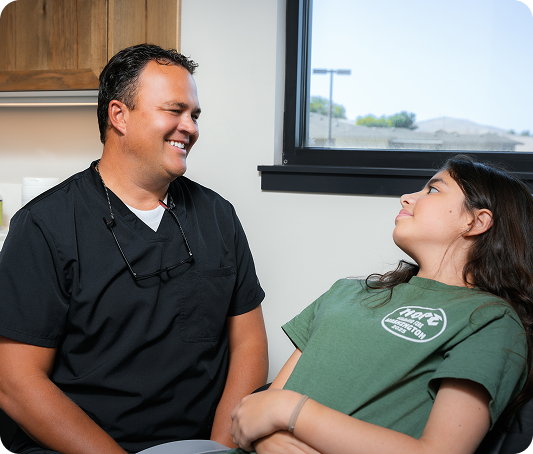
Your Child's First Visit
What Happens at Age 7?
Your child’s first orthodontic evaluation is quick, painless, and informative. We’ll:
Examine teeth, jaws, and bite
Take photos if needed
Discuss our findings with you
Recommend a treatment plan or monitoring schedule
Answer all your questions
There’s no charge for this evaluation—it’s our way of ensuring every child gets the right care at the right time.
Investment in Early Treatment
We believe every family should have access to quality orthodontic care for their children. We offer:
- Transparent pricing
- Flexible payment plans
- Insurance coordination
- No-interest financing options

Frequently Asked Questions
Why age 7 for the first visit?
By age 7, the first molars have erupted and we can evaluate front-to-back and side-to-side tooth relationships. Many problems are easier to correct at this stage.
Will my child definitely need braces later?
Is early treatment just a way to make more money?
Will early treatment hurt?

Schedule Your Child's Complimentary Evaluation
Give your child the gift of a healthy, beautiful smile. With our 16+ years of experience and child-friendly approach, we’ll ensure their orthodontic journey is positive from start to finish.